Ideas for building
intelligent systems.
Architecture breakdowns, model-building journals, and practical lessons from working with modern AI systems.
 Latest dispatch
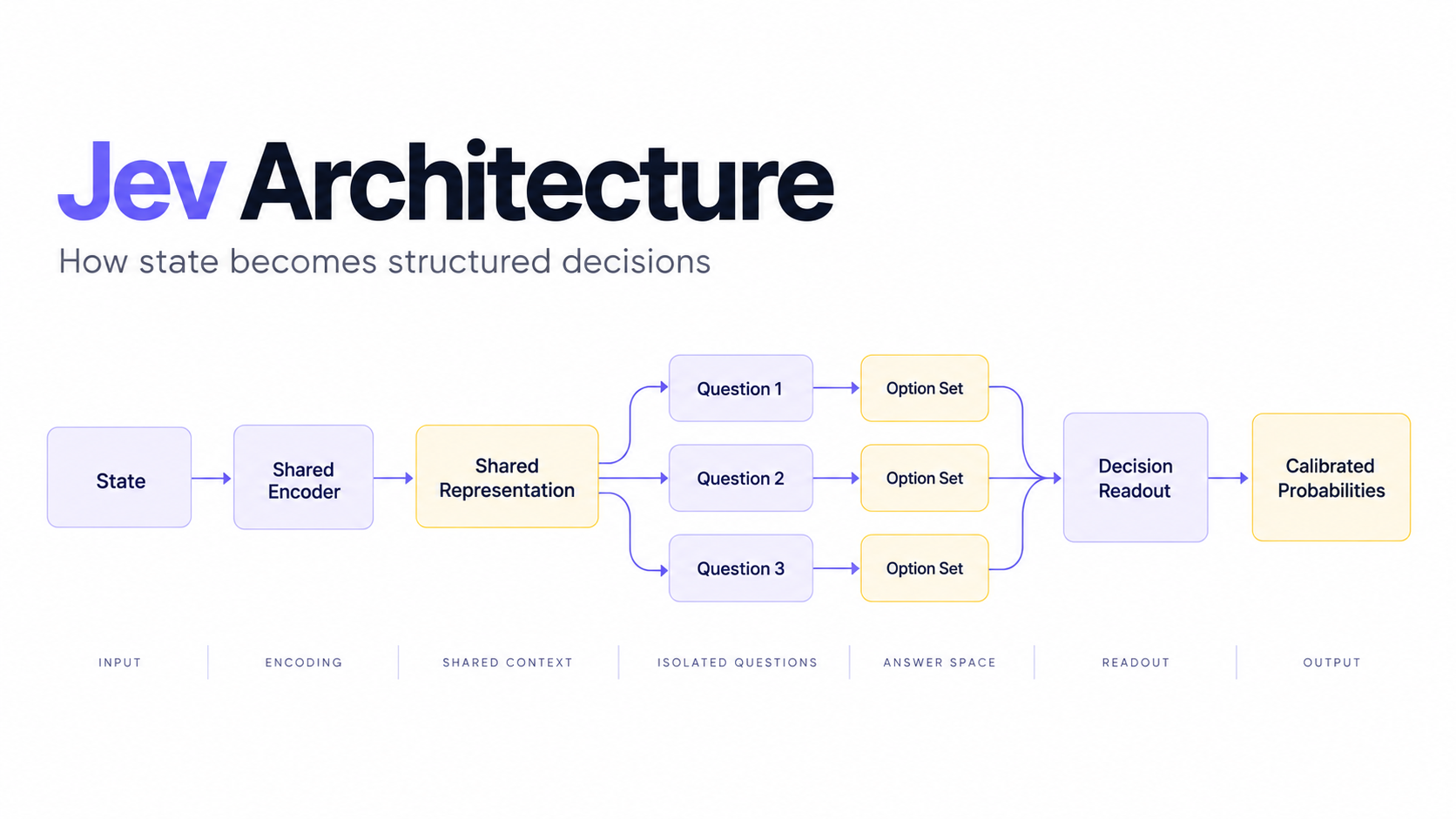
How Jev Might Work: Understanding the Architecture Behind System One Models
A practical and technical explanation of Jev’s likely architecture, from shared-state encoding to parallel question branches, direct probability readouts, and calibrated decisions.
The archive
More from the notebook
 02
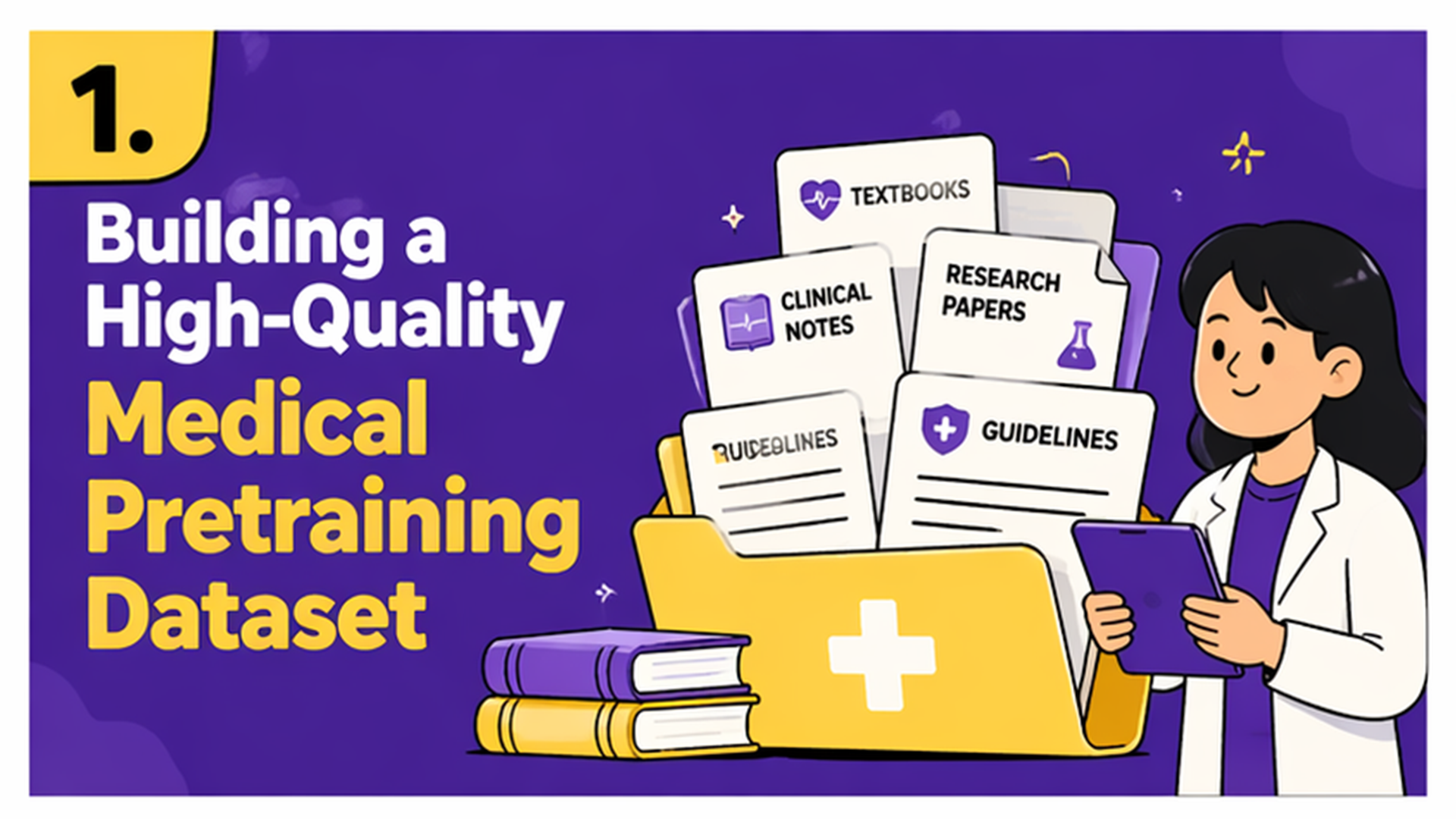
Building a High-Quality Medical Pretraining Dataset for Small Language Models
Large language models like GPT-4 or Gemini are trained on trillions of tokens scraped from the open web. But when your goal is a Small Language Model (SLM) with only ~300 million parameters, targeted at the medical domain, quality matters far more than quantity.
 03
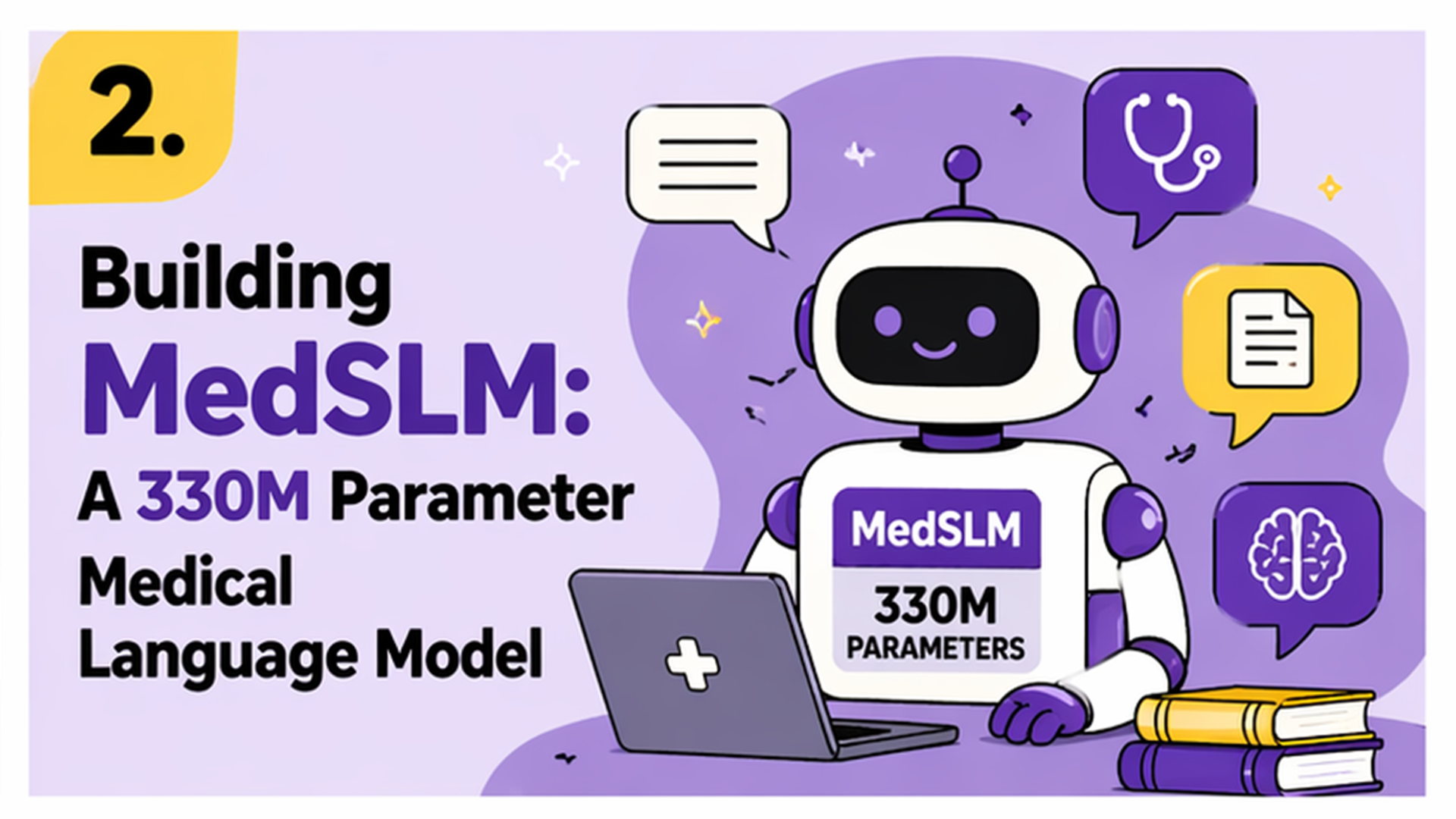
Building MedSLM: A 330M Parameter Medical Language Model
In this post, we build MedSLM - a 330M parameter transformer trained from scratch on our curated medical dataset. We implement modern architecture choices like RMSNorm, Rotary Positional Embeddings, SwiGLU activations, and Grouped-Query Attention.
 04
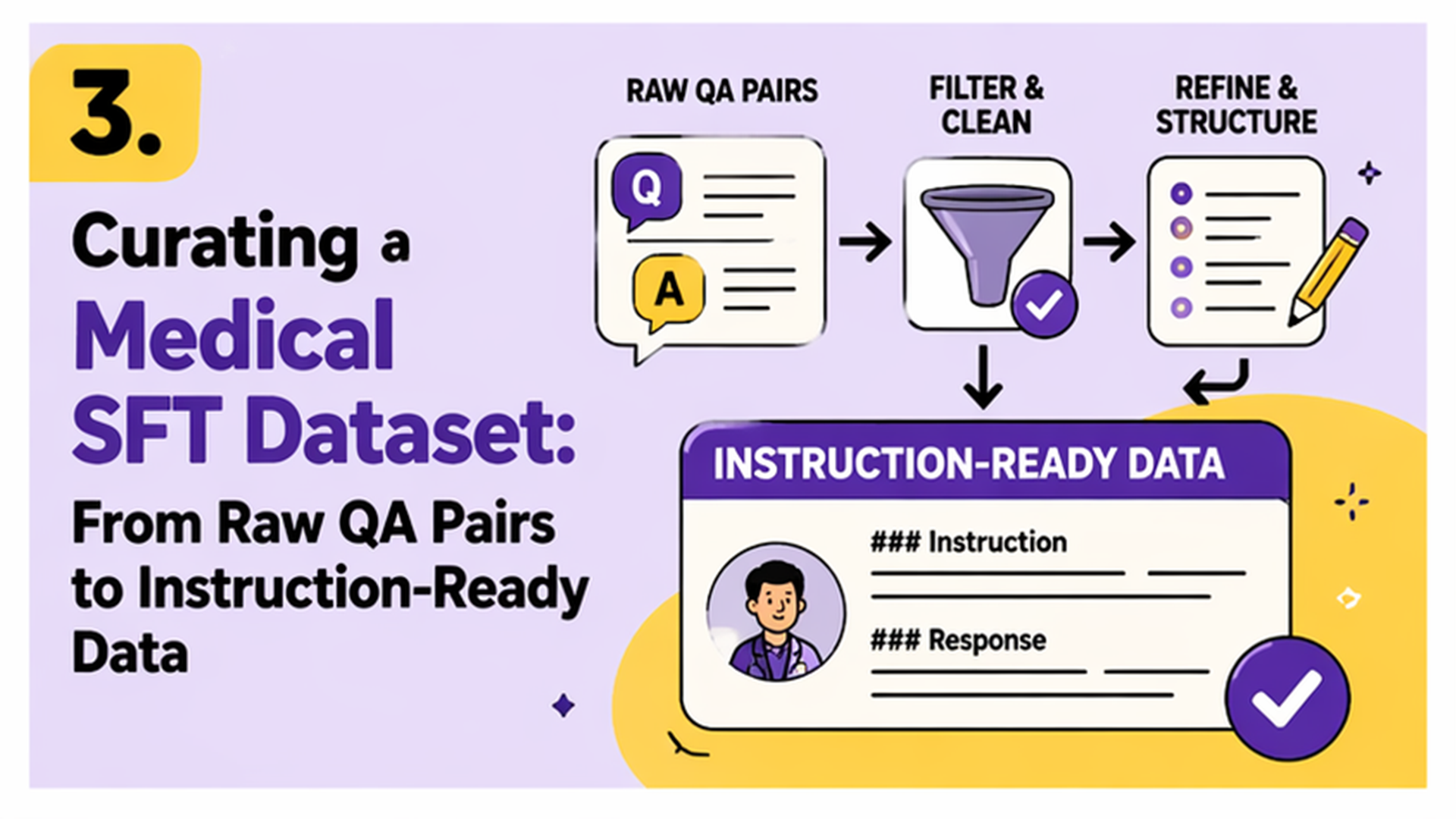
Curating a Medical SFT Dataset: From Raw QA Pairs to Instruction-Ready Data
In this post, we build a high-quality Supervised Fine-Tuning (SFT) dataset for medical question answering. We combine three curated medical QA sources, apply multi-stage quality filtering, perform MinHash near-duplicate removal, and produce a clean 51K-example instruction dataset.
 05
Training MedSLM-SFT: Supervised Fine-Tuning for Medical Instruction Following
With our pretraining corpus complete and MedSLM trained from scratch, we now focus on instruction fine-tuning. This stage teaches the model to act as a helpful medical assistant by training it on curated (instruction, response) pairs.